
Embark on a rewarding sewing journey! Discover the joy of crafting personalized zippered pouches – perfect for beginners seeking accessible sewing tutorials․
These versatile projects offer practical organization and a chance to express creativity, from simple pencil pouches to stylish cosmetic bags․
Zippered pouches are incredibly useful for storing small items, and learning to make them opens a world of possibilities for handmade gifts and personal accessories․
What is a Zippered Pouch?
A zippered pouch is a small, fabric container secured with a zipper closure․ These pouches come in diverse shapes, sizes, and materials, offering practical storage solutions for various items․
From organizing cosmetics and stationery to safeguarding travel essentials, zippered pouches provide a secure and convenient way to keep belongings tidy․
Tutorials demonstrate how to construct these pouches, often utilizing basic sewing skills and readily available materials․ They range from simple rectangular designs to more complex boxy or clear vinyl styles, catering to different skill levels and preferences․
Essentially, a zippered pouch is a handmade accessory combining functionality and style․
Why Make Your Own Zippered Pouches?
Creating your own zippered pouches unlocks a world of customization! You can select fabrics, colors, and patterns to perfectly match your style or gifting needs․
Tutorials empower you to learn a valuable sewing skill, moving beyond store-bought options and fostering creativity․ Handmade pouches are often more durable and unique․
Sewing these pouches is a cost-effective alternative to purchasing them, especially when making multiple pouches for organization or gifts․ It’s a satisfying and rewarding project!
Plus, it’s a fantastic way to utilize fabric scraps and reduce waste, contributing to a more sustainable lifestyle․

Essential Tools and Materials
Gather your supplies! You’ll need a sewing machine, zippers, fabric, scissors, pins, a measuring tool, and potentially interfacing for structure․
Sewing Machine Basics
Mastering your sewing machine is key! Familiarize yourself with basic stitches – straight stitch is essential for pouch construction․ Understand tension adjustments; proper tension ensures neat, durable seams․
Practice sewing straight lines on scrap fabric before tackling your pouch․ Learn to backstitch at the beginning and end of seams to secure the stitching․ A consistent seam allowance (typically 1/4 or 1/2 inch) is crucial for accurate results․
Knowing how to thread the machine and wind a bobbin are fundamental skills․ Don’t hesitate to consult your machine’s manual for specific instructions!
Zipper Selection Guide
Choosing the right zipper matters! Consider zipper length – it should slightly exceed the pouch opening․ Nylon coil zippers are beginner-friendly, offering flexibility and ease of sewing․ Metal zippers provide durability but can be trickier to install․
Pay attention to zipper weight; heavier-duty zippers are suitable for larger pouches․ Separating zippers allow for full pouch opening, while closed-bottom zippers are simpler to use․
Color coordination is key – match the zipper to your fabric or create a contrasting look!
Fabric Choices for Pouches
Selecting fabric impacts pouch structure and style! Cotton is beginner-friendly, easy to sew, and available in countless prints․ Canvas and denim offer durability for frequently used pouches․ Linen provides a beautiful texture but wrinkles easily․
For a luxurious feel, consider quilting cotton or velvet․ Vinyl or laminated cotton are excellent for water-resistant pouches, like cosmetic bags․
Remember to consider fabric weight – lighter fabrics are easier to work with, while heavier fabrics provide more structure․
Other Necessary Supplies (Scissors, Pins, etc․)
Beyond fabric and a zipper, several tools are essential! Sharp fabric scissors are crucial for precise cutting․ Straight pins securely hold fabric layers together during sewing․ A seam ripper corrects mistakes efficiently․
A measuring tape ensures accurate fabric measurements․ A fabric marker or pencil transfers pattern pieces․ Hand sewing needles are useful for finishing touches․ Don’t forget thread matching your fabric!
A rotary cutter and mat can speed up cutting, but aren’t essential for beginners․

Preparing Your Fabric and Zipper
Accurate preparation is key! Cut fabric to the required size, potentially shortening the zipper if needed․ Applying interfacing adds stability and structure to your pouch․
Cutting Fabric to Size
Precision is paramount when cutting fabric for your zippered pouch! Carefully measure and mark your fabric pieces according to your chosen pattern or desired pouch dimensions․ Remember to account for seam allowances – typically ¼ inch or ½ inch – around all edges․
Using sharp fabric scissors or a rotary cutter and mat ensures clean, accurate cuts․ Double-check your measurements before cutting to avoid costly mistakes․ Consider the fabric grain; cutting with the grain will provide better drape and stability․
For a basic rectangular pouch, you’ll generally need two fabric pieces for the exterior and two for the lining, cut to the same size․
Shortening a Zipper (If Necessary)
Sometimes, your zipper will be too long for your pouch! Don’t worry, shortening it is manageable․ Mark ½ inch from where the fabric edge will hit on the zipper tape․ Carefully remove the excess zipper teeth using pliers, ensuring a clean cut․
Secure the zipper teeth at the newly shortened end to prevent unraveling․ You can achieve this by carefully hand-stitching over the teeth or using a fabric glue․ Remember to repeat this process on both sides of the zipper for a balanced result․
Interfacing Application
Interfacing adds structure and stability to your pouch! Cut interfacing pieces to the same size as your fabric pieces․ This crucial step prevents stretching and gives your pouch a professional finish․
Fuse the interfacing to the wrong side of your fabric using an iron, following the manufacturer’s instructions․ Ensure a secure bond for optimal results․ Lightweight interfacing works well for most pouches, but heavier options can provide extra support for larger designs․
The Basic Zipper Insertion Technique
Master the core skill! This technique involves preparing fabric strips, carefully attaching the zipper, and precisely sewing it in place for a clean finish․
Step 1: Preparing the Fabric Strips
Begin by accurately cutting your fabric strips, ensuring they are slightly longer than the zipper itself – typically adding about a half-inch on each side is recommended․ This extra length allows for neat seam allowances․
Carefully consider the desired pouch dimensions when determining strip width; remember to account for seam allowances․ Pressing the fabric strips is crucial for a professional finish, creating crisp, clean edges․
If your zipper is too long, mark a point half an inch from where the fabric edge will hit, and cut the excess zipper accordingly․ Precise cutting is key for a seamless zipper insertion!
Step 2: Attaching the Zipper to the Fabric
Position the zipper face down onto the right side of one fabric strip, aligning the zipper tape with the fabric edge․ Pin securely, ensuring the zipper teeth are centered․ Repeat this process with the second fabric strip on the opposite side of the zipper․
Using a zipper foot, stitch along both sides of the zipper, close to the zipper teeth․ Backstitch at the beginning and end of each seam to secure the stitching․ Take your time for precision!
Press the fabric away from the zipper, creating a clean and professional look․ This step is vital for a smooth and functional zipper insertion․
Step 3: Sewing the Zipper in Place
Open the zipper slightly to facilitate sewing around it․ Place the fabric pieces right sides together, ensuring the zipper is positioned correctly․ Pin all layers securely, leaving a small opening for turning․
Using a sewing machine and a standard presser foot, stitch around the pouch, following the pinned line․ Remember to leave the turning gap open! Backstitch at the beginning and end for durability․
Trim the corners carefully to reduce bulk and clip curves․ Turn the pouch right side out through the opening, and press it neatly․ Finally, hand-stitch the opening closed․

Different Zipper Pouch Styles
Explore diverse designs! From simple rectangular pouches to boxy and clear vinyl options, discover tutorials for various zippered pouch styles to suit your needs․
Simple Rectangular Pouch Tutorial
Begin with the basics! This tutorial guides you through creating a classic rectangular zippered pouch, ideal for beginners․ Start by cutting two fabric rectangles to your desired size, remembering to add seam allowances․
Next, prepare your zipper – shortening it if necessary – and attach it to the top edge of one fabric piece․ Sew the zipper in place, then attach the second fabric piece, right sides together․
Finally, stitch around all sides, leaving a small opening for turning․ Turn the pouch right side out, press, and topstitch to finish․ This easy project builds confidence!
Boxy Zipper Pouch Tutorial
Elevate your skills! This tutorial demonstrates how to construct a boxy zippered pouch, offering more structure and space․ Begin by cutting fabric pieces for the base, sides, and top, including lining pieces if desired․
Attach the zipper to the top pieces, then assemble the pouch body, sewing the sides to the base․ Incorporate boxed corners for added volume and a professional finish․
If using a lining, insert it now and stitch around the opening․ This pouch is perfect for cosmetics or travel essentials, showcasing a more refined shape!
Clear Vinyl Zipper Pouch Tutorial
Stay organized in style! This tutorial guides you through creating a clear vinyl zippered pouch, ideal for visibility and easy access to contents․ Cut clear vinyl and fabric backing to the desired size, remembering to account for seam allowances․
Attach the zipper to the vinyl and fabric, utilizing a zipper foot for precision․ Carefully sew the pouch sides together, reinforcing the vinyl to prevent tearing․
These pouches are fantastic for makeup, toiletries, or small tools, offering a modern and practical storage solution!

Advanced Techniques & Variations
Elevate your skills! Explore lining options, key fob attachments, and patchwork designs to personalize pouches, adding unique flair and functionality to your creations․
Adding a Lining to Your Pouch
Enhance durability and structure by incorporating a lining into your zippered pouch․ Cut lining fabric to the same dimensions as your outer fabric pieces, ensuring a clean finish․
With right sides together, sew the lining pieces together, leaving a small opening for turning․
Place the outer pouch and lining pouch right sides together, aligning the top edges, and stitch around․ Turn the pouch right side out through the opening in the lining, then carefully close it․ This creates a professional, polished look and adds extra strength to your handmade pouch!
Creating a Key Fob Attachment
Add functionality to your pouch with a convenient key fob! Cut a strip of fabric approximately 6-8 inches long and 1 inch wide․ Fold it in half lengthwise, right sides together, and stitch along the long edge, leaving the ends open․
Turn the strip right side out and press․ Attach one end of the fob to the zipper pull using a jump ring or by securely stitching it in place․ This allows for easy carrying and quick access to your pouch, making it perfect for keys or charms!
Patchwork Zipper Pouch Design
Elevate your pouch with a vibrant patchwork design! Cut various fabric scraps into squares or rectangles․ Arrange them in a pleasing pattern, then sew them together to create a larger piece for your pouch exterior․
Ensure the patchwork piece is the correct size for your chosen pouch pattern․ This technique adds a unique, handmade touch and allows you to utilize fabric remnants creatively․ Consider using contrasting colors and patterns for a visually striking effect!
Troubleshooting Common Issues
Don’t be discouraged by hiccups! Common problems like stuck zippers, uneven stitching, or puckering fabric are easily fixable with patience and practice․
Zipper Gets Stuck
A frustrating snag is common! If your zipper stubbornly resists movement, don’t force it – this can cause further damage․ First, gently inspect the teeth for any trapped fabric or thread․ Use tweezers or a seam ripper to carefully remove obstructions․
Next, apply a small amount of lubricant like graphite from a pencil, zipper lubricant, or even soap to the teeth․ Work the zipper back and forth slowly․ If the slider is damaged, consider replacing it entirely for a smooth operation․ Patience is key!
Uneven Stitching
Achieving neat stitches is crucial! Uneven stitching often stems from inconsistent fabric feeding or incorrect tension settings on your sewing machine․ Ensure your fabric is evenly layered and guided through the machine․
Check your machine’s manual to adjust the upper and bobbin thread tension․ Practice on scrap fabric to find the optimal balance․ A zipper foot can also help maintain a consistent seam allowance․ Slow and steady wins the race – avoid rushing!
Fabric Puckering
Puckering indicates tension issues! Fabric puckering during zipper insertion usually signals too much tension on the thread or insufficient interfacing․ Reduce the presser foot pressure and slightly loosen the upper thread tension․
Applying interfacing provides stability and prevents stretching․ Ensure the interfacing is properly fused to the fabric․ A walking foot can also help feed layers evenly, minimizing puckering․ Test settings on scraps before sewing the final pouch!

Zipper Foot Usage
Master precise zipper sewing! A zipper foot allows stitching close to the zipper teeth, ensuring neat and professional results․ Explore different foot types for varied zipper applications․
Understanding Zipper Foot Types
Several zipper foot variations exist, each designed for specific sewing needs․ Standard zipper feet can be positioned on either the left or right side of the needle, accommodating various zipper placements․
Invisible zipper feet feature a groove to guide the coil, creating a nearly hidden zipper application․
Furthermore, there are specialized feet for chunky or coil zippers, ensuring proper alignment and stitching․ Understanding these differences allows for optimal control and a polished finish when constructing your zippered pouches, enhancing both functionality and aesthetics․
Using a Zipper Foot for Precise Sewing
Attaching a zipper foot transforms your sewing precision! Snap it onto your machine, and adjust its position – left or right – to sew close to the zipper teeth․
Slow, steady stitching is key; guide the fabric gently, letting the foot navigate the zipper coil․
Maintain consistent seam allowance for a professional finish․ Practice on scrap fabric first to build confidence․ Utilizing a zipper foot ensures neat, even stitches, resulting in durable and aesthetically pleasing zippered pouches․

Pattern Resources and Free Downloads
Unlock a treasure trove of patterns! Explore online resources for free zippered pouch designs, catering to all skill levels and aesthetic preferences․
Beginner-friendly tutorials and downloadable patterns simplify the process, making pouch-making accessible and enjoyable for everyone․
Where to Find Free Zipper Pouch Patterns
Numerous online platforms offer a wealth of free zipper pouch patterns! Websites like Sewing․com and various crafting blogs frequently publish beginner-friendly tutorials with downloadable templates․
Pinterest serves as a fantastic visual search engine, leading to countless pattern links and inspiring pouch designs․ Don’t overlook YouTube; many sewists share detailed video tutorials alongside free pattern access․
Additionally, fabric store websites often provide complimentary patterns to promote their materials, and dedicated pattern-sharing communities offer a diverse range of options․ Remember to check licensing terms before using any downloaded pattern!
Understanding Pattern Instructions
Decoding zipper pouch patterns is key to success! Most patterns include a fabric cutting list, specifying dimensions for each piece․ Pay close attention to seam allowances – typically ¼ inch – and grainlines for fabric orientation․
Diagrams illustrate construction steps, often with numbered sequences․ Familiarize yourself with common sewing terms like “right sides together” and “backstitch․”
Before cutting, read the entire pattern to grasp the overall process․ Many patterns offer multiple size variations; choose accordingly․ Don’t hesitate to watch accompanying video tutorials for clarification!

Zipper Pouch Size Variations
Customize your creations! Explore sizes ranging from tiny coin pouches to larger pouches ideal for travel essentials, adapting patterns to suit your needs․
Adjust dimensions for makeup, pens, or everyday carry items․
Small Pouch for Coins and Lip Balm
Perfect for petite treasures! A small zippered pouch, measuring roughly 3×5 inches, is ideal for containing loose change, lip balm, or small accessories․
These pouches require minimal fabric and are a fantastic beginner project to practice zipper insertion techniques․ Utilize scrap fabrics for a sustainable and cost-effective crafting experience․
Consider using lightweight interfacing to provide structure without adding bulk․ A simple rectangular design is easiest, but feel free to experiment with rounded corners for a softer look․ These make charming handmade gifts!
Medium Pouch for Makeup and Pens
A versatile everyday essential! A medium-sized zippered pouch, around 6×8 inches, is wonderfully practical for organizing makeup brushes, pens, or small toiletries․
This size offers ample space without being bulky, making it perfect for tossing into a larger bag․ Consider adding a lining for extra durability and a more polished finish․
Experiment with different fabric weights – cotton, canvas, or even quilted fabrics – to achieve your desired aesthetic․ A boxed construction adds structure, while a simple design remains effortlessly chic․
Large Pouch for Travel Essentials
The ultimate travel companion! A larger zippered pouch, approximately 9×12 inches, is ideal for containing travel-sized toiletries, charging cables, or even small electronics․
Reinforced interfacing is crucial for maintaining shape and protecting contents during transit․ Consider a water-resistant fabric or lining to safeguard against spills․
Adding a wrist strap or luggage tag loop enhances functionality․ Explore patchwork designs or bold prints to create a visually striking travel accessory, perfect for organized adventures!
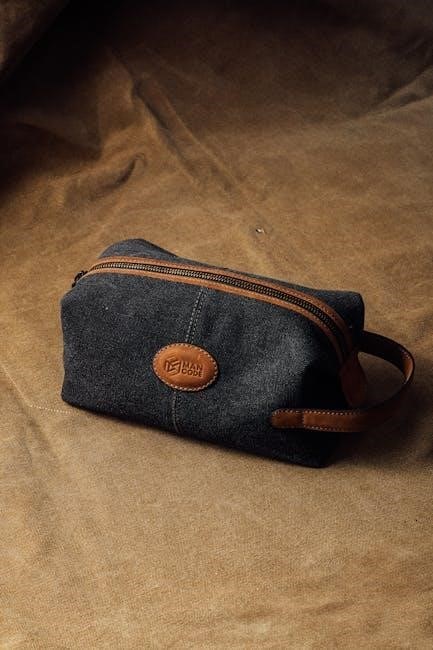
Finishing Touches and Embellishments
Elevate your creation! Add a decorative pull tab, experiment with vibrant stitching, or personalize with unique appliques for a truly bespoke zippered pouch․
Adding a Pull Tab to the Zipper
Enhance zipper functionality and aesthetics! A pull tab makes opening and closing your pouch significantly easier, especially with thicker fabrics or frequent use․
Cut a small strip of fabric (approximately 2″ x 6″) and fold it in half lengthwise, right sides together․ Sew along the long edge, leaving the ends open․ Turn it right side out, press, and fold the ends inward․
Position the loop around the zipper pull and securely stitch it in place, reinforcing the attachment for durability․ Consider using coordinating or contrasting fabric for a stylish touch․ This simple addition transforms a practical element into a design feature!
Decorative Stitching Options
Elevate your pouch with personalized flair! Beyond basic straight stitches, explore a world of decorative options to truly make your zippered pouch unique․
Utilize your sewing machine’s built-in decorative stitches along the pouch seams, zipper application, or even create quilted patterns․ Consider satin stitch for a luxurious finish or zigzag for a textured edge․
Experiment with contrasting thread colors and stitch patterns to highlight design elements․ Hand embroidery, like French knots or backstitch, adds a charming, handcrafted touch․ Let your creativity flow!
Personalizing Your Pouch with Appliques
Add a unique touch with appliques! Transform a simple zippered pouch into a personalized statement piece by incorporating fabric appliques․
Cut out desired shapes from contrasting fabrics – hearts, stars, initials, or whimsical designs – and securely attach them to the pouch using fusible webbing or decorative stitching․
Consider layering appliques for depth and dimension․ Embroidered details on top of appliques further enhance the design․ Appliques are a fantastic way to showcase your personality and create truly one-of-a-kind pouches!

Zipper Pouch Project Ideas
Unleash your creativity! Craft back-to-school pouches, stylish cosmetic bags, or thoughtful handmade gifts – zippered pouches are endlessly versatile projects․
Explore various sizes and designs to suit every need, from organizing essentials to creating personalized treasures․
Back-to-School Pencil Pouches
Kickstart the school year with handmade flair! Creating zippered pencil pouches is a fantastic beginner project, offering a practical and personalized solution for school supplies․
Utilize vibrant fabrics and fun patterns to design pouches that reflect individual style․ These pouches are perfect for holding pens, pencils, erasers, and other essential stationery items․
Simple rectangular pouch tutorials are ideal for quick and easy construction, while adding a key fob attachment provides a convenient way to clip the pouch to a backpack․ Consider patchwork designs for a unique touch!
Cosmetic Bags and Travel Pouches
Elevate your organization with stylish, handmade pouches! Zippered pouches are incredibly versatile for cosmetics, toiletries, and travel essentials, offering a practical and chic solution․
Clear vinyl zipper pouches are excellent for easily identifying contents, while larger pouches accommodate full-sized products․ Consider adding a lining for durability and a professional finish․
Explore boxy zipper pouch tutorials for a more structured design, perfect for keeping items secure during travel․ Personalize with decorative stitching or appliques for a unique touch!
Gift Ideas: Handmade Zipper Pouches
Handmade zippered pouches make thoughtful and personalized gifts! These projects are perfect for birthdays, holidays, or simply showing someone you care, offering a unique alternative to store-bought items․
Simple rectangular pouches are quick to sew, ideal for beginner sewists creating multiple gifts․ Consider themed fabrics or personalized appliques to match the recipient’s interests․
A beautifully crafted pouch demonstrates effort and creativity, making it a cherished keepsake․ Explore various tutorials to find the perfect style for every occasion!